The act of breathing through the mouth seems harmless, yet, as the title suggests, mouth breathing is actually a kind of dysfunctional breathing with cascading negative effects on nearly every system in the body.
If you identify with any of the signs below, understanding the physiological damage of chronic mouth breathing is the first step toward reclaiming your health through nasal breathing and the Buteyko Method:
- Hearing breathing when at rest
- Mouth breathing
- Clearing throat regularly
- Excessive blowing nose
- Blocked nose
- Sigh often
- Sniff often
- Irregular breathing
- Taking large breaths prior to speaking
- Yawning often
- Chronic tickles in throat
- Tightness in the upper chest
- Thoracic (chest) breathing
- Holding off breath during the day
- Sleep apnoea
- Snoring
- Heavy breathing at night
- Waking tired in the morning
- Breathless on slight exertion
1. The Physiological Toll: Sleep, Stress, and Gas Imbalance
The mouth is designed for eating, speaking, singing and kissing! And ONLY in an emergency, breathing. The nose has been designed for optimal breathing. Bypassing the nose with mouth breathing fundamentally undermines the benefits of nasal breathing, including bypassing lymph tissue in the nasal cavity important for immunity, and also shifting the balance of gases in your bloodstream. Mouth breathing simply means having the mouth open when you don’t need to – i.e. if you are not eating, speaking, singing or kissing – keep your mouth closed, so your nose can do its job to the best of its ability.
The Nighttime Destroyer: Sleep Apnea and Snoring
Chronic or long-term mouth breathing is a primary contributor to both snoring and Obstructive Sleep Apnea (OSA).
- Airway Collapse: When the mouth is open during sleep, the tongue naturally falls backward, obstructing the airway and leading to the vibration we recognise as snoring. In more severe cases, this obstruction may result in apneas (breathing pauses).
- Turbulence: The nasal turbinates are structures within the nose that create resistance to the air flowing into the nasal passages.. This naturally slows the breath before it reaches the trachea (windpipe) and upper airways. A faster flow of air, (when the mouth is open), causes a negative pressure that may partially close the upper airway, causing snoring and potentially sleep apnoea.
- Hyperventilation: Mouth breathing increases breathing volume (the mouth has a larger surface area than the nostrils), leading to a relative ‘gassing out’ or deficiency of carbon dioxide (CO₂), which lowers the sensitivity of the respiratory centres in the brain to this gas. A higher sensitivity to CO2 improves oxygen delivery to the body, and regulates the nervous system. Gentle, light breathing restores airway stability, meaning less chance of the upper airway collapsing, and important for good quality sleep.
- Poor Sleep Quality: The resulting fragmented sleep prevents the body from entering the deep, restorative stages of the sleep cycle. This leads to chronic daytime fatigue, poor concentration, and a weakened immune system, driving high-volume search queries like “breathing exercises for sleep apnea” and “how to stop snoring naturally.”
The Stress Multiplier: Anxiety and CO₂ Sensitivity
The connection between mouth breathing and symptoms of stress and anxiety is profound. When you breathe through your mouth, your breathing volume increases, leading to chronic hypocapnia (low CO₂).
- Adrenaline Response: The brain interprets low CO₂ as a state of distress, triggering the sympathetic “fight-or-flight” nervous system response. This releases the stress hormones, adrenaline and cortisol, resulting in increased heart rate, chest tightness, and hyper-vigilance—all symptoms associated with anxiety.
- The Buteyko Solution for Anxiety: The Buteyko Method directly addresses this with specific breathing exercises designed to restore gentle, soft breathing and reverse the habit of chronic over-breathing. The simple act of regulating breath volume trains the brain to tolerate normal CO₂ levels, quickly calming the nervous system and is key for those seeking to reduce their anxiety levels.
2. The Physical and Dental Toll
The consequences of mouth breathing are not limited to internal body systems; mouth breathing can alter facial, dental and cranial development and structure, particularly in children and adolescents.
- Facial and Dental Development: Persistent mouth breathing can lead to a narrow upper palate, crowded teeth, and a recessed chin. Orthodontic issues are significantly more common in mouth breathers, driving the need for extensive (and expensive!) dental intervention.
- Poor Posture: To keep the airway open when breathing through the mouth, the head is instinctively thrust forward (forward head posture). This creates constant tension in the neck, shoulders, and jaw, contributing to chronic pain, tension headaches, and Temporomandibular Joint (TMJ) dysfunction.
- Dry Mouth, Dental Caries and Gum Disease: Nasal breathing filters, warms, and humidifies the air, preparing it for the lungs. Mouth breathing bypasses this defence mechanism, drying out the airways and reducing salivary flow. This not only increases the risk of dental decay and gum disease (gingivitis and periodontitis) but also makes the tonsils and adenoids more susceptible to infection and swelling.
3. The Functional Solution: The Power of Nasal Breathing
The definitive solution to reverse the effects of mouth breathing lies in retraining the respiratory centre to embrace 24/7 nasal breathing. This is the first and most critical pillar of the Buteyko Method.
Why Nasal Breathing is Optimal
Nitric Oxide (NO) Production: The sinuses and nasal cavity produce Nitric Oxide, a powerful gas that is a natural vasodilator and bronchodilator. This means it helps open up the blood vessels (improving circulation and oxygen delivery) and relax the airways (a vital mechanism for those with asthma). This gas is only effectively inhaled when breathing through the nose, with the mouth closed
Filtration and Immunity: The hair and mucous lining the nasal passages filter out pollutants, allergens, and pathogens before they reach the lungs, reinforcing the body’s natural defenses. Also within the mucous lining, there are areas of lymphatic tissue, an outpost of the immune system. Nitric oxide (mentioned above), also created within the sinuses and nasal cavity also has antimicrobial and antioxidant effects.
Taking Action: Mastering Your Breath with Buteyko
Reversing chronic mouth breathing requires conscious effort and retraining. The Buteyko Method provides the structure and exercises to achieve this through reduced breathing exercises and utilising the Control Pause (CP) to measure progress. Learn more about how the Buteyko Breathing Method works in depth.
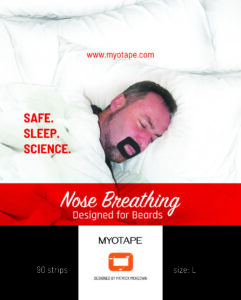
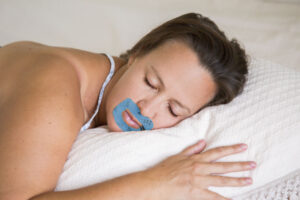
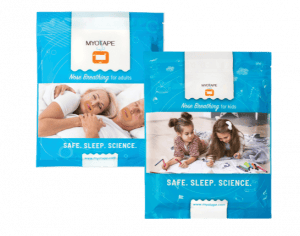
For those struggling primarily with nighttime mouth breathing and snoring, simple tools like mouth taping (using specialised tape like Myotape) are essential aids to ensure the mouth remains closed during sleep, reinforcing the daytime practice of nasal breathing.
Transform Your Health, One Breath at a Time
If you are a chronic mouth breather, the solution is not found in treating the symptoms—like snoring, dry mouth, or anxiety—but in correcting the fundamental underlying breathing dysfunction. The Buteyko Method is the definitive, non-invasive tool for achieving a permanent shift to nasal breathing, leading to better sleep, reduced stress, and improved overall health.
Ready to take control of your breath and eliminate mouth breathing forever?
Choose your next step:
- Start Now with the Basics: Get the essential foundations in minutes with the BreatheWell Essentials Course (A$49)—your entry point to immediate relief.
- Talk to the Expert: Book your Free 15-Minute Chat to assess your current breathing efficiency and determine which course is right for your unique health goals.
- Go Deeper: Explore the comprehensive, life-changing training offered in the full BreatheWell Foundations Course and join our recurring practice community in the eGym.
- Boost Your Results Instantly: Ready to try the ultimate hack for effortless nasal breathing? Learn how Myotape can transform your sleep and symptoms (like sleep apnea or anxiety) with an expert.